W.P. Franklin N
12 mi northeast · US Army Corps of Engineers
Visitors flock to W.P. Franklin Campground for its well-kept facilities and location on the Caloosahatchee River, where campers can fish, boat and take it easy in sunny southwest Florida.
Outdoors
Refuges, lakes and wild areas near Fort Myers for wildlife viewing and birdwatching.
Good to know: Early mornings and evenings are best for wildlife; bring binoculars and keep a respectful distance.
12 mi northeast · US Army Corps of Engineers
Visitors flock to W.P. Franklin Campground for its well-kept facilities and location on the Caloosahatchee River, where campers can fish, boat and take it easy in sunny southwest Florida.
20 mi southwest · Fish and Wildlife Service
J.N. "Ding" Darling National Wildlife Refuge, on the subtropical barrier island of Sanibel in the Gulf of America along Florida’s west coast, is part of the largest undeveloped mangrove ecosystem in the United States.
36 mi east · US Army Corps of Engineers
Ortona South is a perfect campground for a quiet, sunny escape to South Florida. The campground is set along the Caloosahatchie River.
Map of 17 places loads as you scroll.
Visitors flock to W.P. Franklin Campground for its well-kept facilities and location on the Caloosahatchee River, where campers can fish, boat and take it easy in sunny southwest Florida.
J.N. "Ding" Darling National Wildlife Refuge, on the subtropical barrier island of Sanibel in the Gulf of America along Florida’s west coast, is part of the largest undeveloped mangrove ecosystem in the United States.
Ortona South is a perfect campground for a quiet, sunny escape to South Florida. The campground is set along the Caloosahatchie River.
An amazing world exists within the pristine mangrove-fringed waterways, uplands and freshwater wetlands that can be found only a few miles away from downtown Naples.
Established in 1989, Southwest Florida’s Florida Panther National Wildlife is located within the heart of the Big Cypress Basin, encompassing the northern reach of the Fakahatchee Strand, the largest cypress strand in the Big Cypress…
Gator Head Campground is a primitive campground located within the Bear Island Unit of Big Cypress National Preserve.
Ten Thousand Islands National Wildlife Refuge was established in 1996 under provisions of the Arizona-Florida Land Exchange Act of 1988.
As lake, waterway and surrounding countryside, Okeechobee shows the many faces of Florida. A canopy of moss-draped live oaks hides clusters of sabal palms. A tangle of water plants marks the boundary where wetland meets lakeshore.
The freshwaters of the Big Cypress Swamp, essential to the health of the neighboring Everglades, support the rich marine estuaries along Florida's southwest coast.
Egmont Key NWR was designated as a national wildlife refuge in 1974. Egmont Key is managed by the U.S. Fish and Wildlife Service as a national wildlife refuge to protect the island’s diverse natural, cultural, and historical features.
The Loxahatchee National Wildlife Refuge was established in 1951 under the authority of the Migratory Bird Conservation Act of 1929 with a 50-year license agreement between the State of Florida and the U.S.
St. Lucie Campground provides a relaxing camping experience on the St. Lucie Canal, part of the 152 mile Okeechobee Waterway that spans South Florida from the Atlantic Ocean to the Gulf of Mexico.
Established in 1947 as the first national park created for its biodiversity, Everglades National Park protects 1.5 million acres of wetland, forest, and marine habitats and the native plants and animals that call it home.
The Jupiter Inlet Lighthouse Outstanding Natural Area (ONA) is part of the Bureau of Land Management’s 27-million acre National Conservation Lands; and the only complete unit east of the Mississippi River.
Nathaniel P. Reed Hobe Sound National Wildlife Refuge contains the largest contiguous section of undeveloped beach in Southeastern Florida and is considered one of the most productive sea turtle nesting areas in the Southeastern United…
Pelican Island National Wildlife Refuge (NWR) is situated in the Indian River Lagoon estuary, which runs 156 miles down Florida’s eastern coastline.
The Archie Carr National Wildlife Refuge stretches across 20.5 miles of beach and shoreline habitat between Melbourne Beach and Wabasso Beach along Florida's east coast in Brevard and Indian River Counties.
Distances are straight-line miles from downtown Fort Myers. Listings come from Recreation.gov’s federal recreation database; check each official page for hours, fees, fire restrictions and closures before you go.
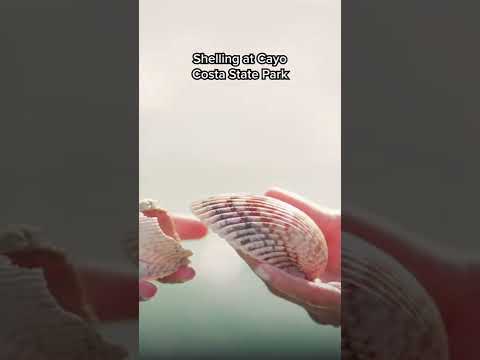
THINGS TO DO · YOUTUBE SHORT
A local activity Short shared by Matador Network.
Watch on YouTube ↗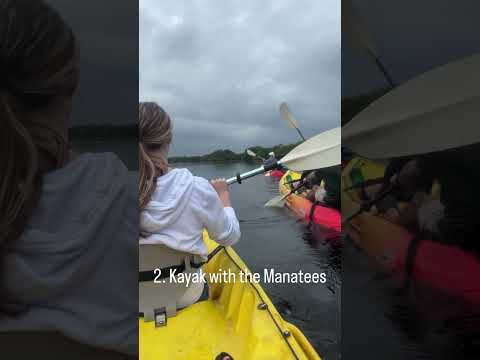
THINGS TO DO · YOUTUBE SHORT
A local activity Short shared by Moving to Fort Myers Florida with Chelsea Robinson.
Watch on YouTube ↗


W.P. Franklin N (US Army Corps of Engineers), about 12 miles northeast of Fort Myers as the crow flies. Next are J.N. "Ding" Darling National Wildlife Refuge (20 mi) and Ortona South (36 mi).
Federal agencies including Fish and Wildlife Service, US Army Corps of Engineers, National Park Service. Each listing links to its official page for hours, fees, closures and current conditions.